Children’s Eye Tests: When Should They Start?
0 minute read
paras
As a parent, you instinctively monitor your child’s developmental milestones—their first steps, their first words, their physical growth. Yet, one of the most critical aspects of their development is often surrounded by misinformation: their eyesight.
There is a widespread misconception that a child must be of a certain age, or at least able to read and confidently communicate before they can have an eye examination. This is simply not true.
At The Eye Centre, we can examine a child’s eyes at any age—even as babies—if a parent has concerns. Young children rarely complain about having reduced vision, simply because they do not know what “normal” vision is supposed to look like. Waiting until a child is older to address an underlying visual issue can sometimes delay crucial developmental progress.
The High Street Myth: "We Don't Have the Right Equipment"
Many parents come to our Thornton Heath practice feeling frustrated after being turned away by large high-street optical chains, having been told that the optician "does not have the correct equipment" to test a toddler or baby.
In reality, the equipment required to test a young child’s eyes—a retinoscope, an ophthalmoscope, and diagnostic eye drops—is standard medical equipment found in almost every optician's testing room in the country. The truth is rarely a lack of equipment; rather, it is a lack of clinical confidence and experience.
Examining a young child who cannot sit still or answer questions requires a highly specific skill set. Many high-street optometrists simply do not see a high enough volume of infants and toddlers to feel confident performing these specialised pediatric techniques.
How We Test Young Eyes: The Art of Retinoscopy
When you sit in the optician's chair, you are likely used to a "subjective" refraction—the optometrist changing lenses and asking, "Which is clearer, one or two?"
Babies and toddlers cannot do this. Instead, our highly experienced pediatric team relies on objective measurements, primarily through a technique called Cycloplegic Refraction.
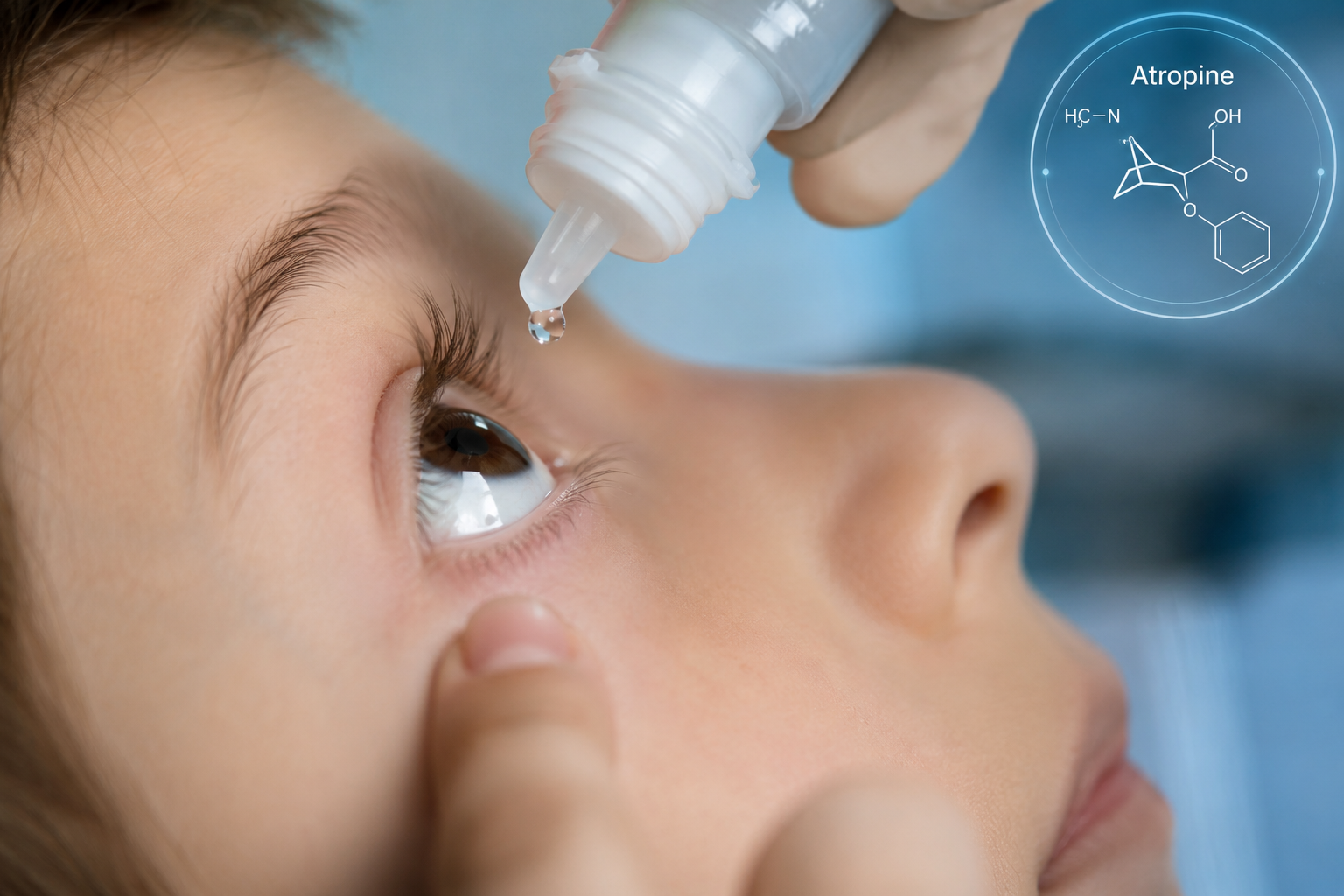
First, we apply Cyclopentolate eye drops. Children have incredibly strong focusing muscles in their eyes, which can easily mask their true prescription (especially long-sightedness). These drops temporarily relax those focusing muscles and gently widen the pupil.
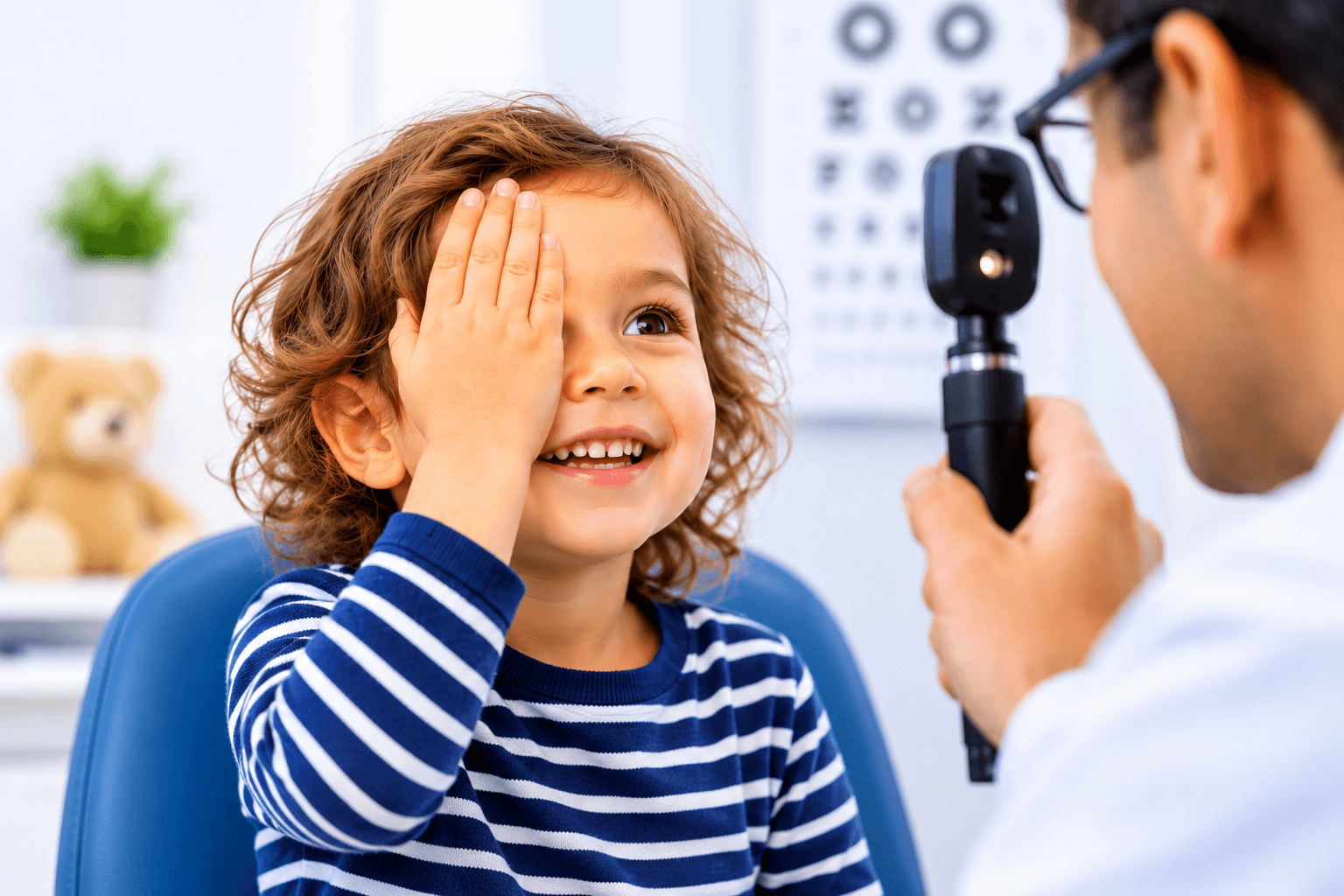
Once the eyes are relaxed, we use an instrument called a retinoscope. By shining a specific light into the eye and observing how it reflects off the retina, a skilled optometrist can calculate a child’s exact prescription without the child ever needing to say a single word. Retinoscopy is a true clinical art form. Because we see a high volume of pediatric patients at The Eye Centre, our team possesses the advanced expertise required to perform this quickly, accurately, and in a way that keeps your child completely at ease.
The Problem with Automated Testing (Auto-Refractors)
In some high-street settings, if a practitioner lacks confidence in retinoscopy, they may attempt to rely on an automated machine called an auto-refractor. You might recognise this as the machine where you are asked to place your chin on a rest and look at a picture of a hot air balloon or farmhouse.
While useful for adults, these machines are notoriously unreliable for young children. Babies and toddlers understandably struggle to sit perfectly still and concentrate on a fixed target. Furthermore, even with cycloplegic drops, a child's active visual system can easily "trick" an automated machine into generating a highly inaccurate reading. An expert pediatric optometrist using a hand-held retinoscope does not rely on a machine's guesswork. We can dynamically engage with your child, capture the light reflex even if they are moving their head, and calculate a precise, reliable prescription.
Have You Received a Vision Screening Letter from School?
In Croydon, the Public Health Nursing Service provides a fantastic vision screening program for children in their reception year (ages 4 to 5). Often, this is the first time a visual anomaly is detected.
If your child does not pass this screening, you will receive a letter from the Croydon University Hospital team stating that the test "suggests your child has reduced vision in one of/both of their eyes."
Reading this can be alarming for a parent, but as the letter rightly states: please do not worry. The letter will advise you to take your child to a local optician for further tests to confirm if they need glasses or treatment for a squint (a turn in the eye) or a "lazy eye".
However, the most crucial decision you will make next is which optician you choose. Because these early years are critical for visual development, it is vital that you choose a practice with extensive pediatric experience, rather than simply walking into the most convenient high-street chain.
Advanced Paediatric Care: Looking to the Future
Our commitment to your child's eyesight does not end at a standard prescription. Children's eyes change rapidly as they grow, and we are equipped with hospital-grade technology to monitor and protect their long-term ocular health.
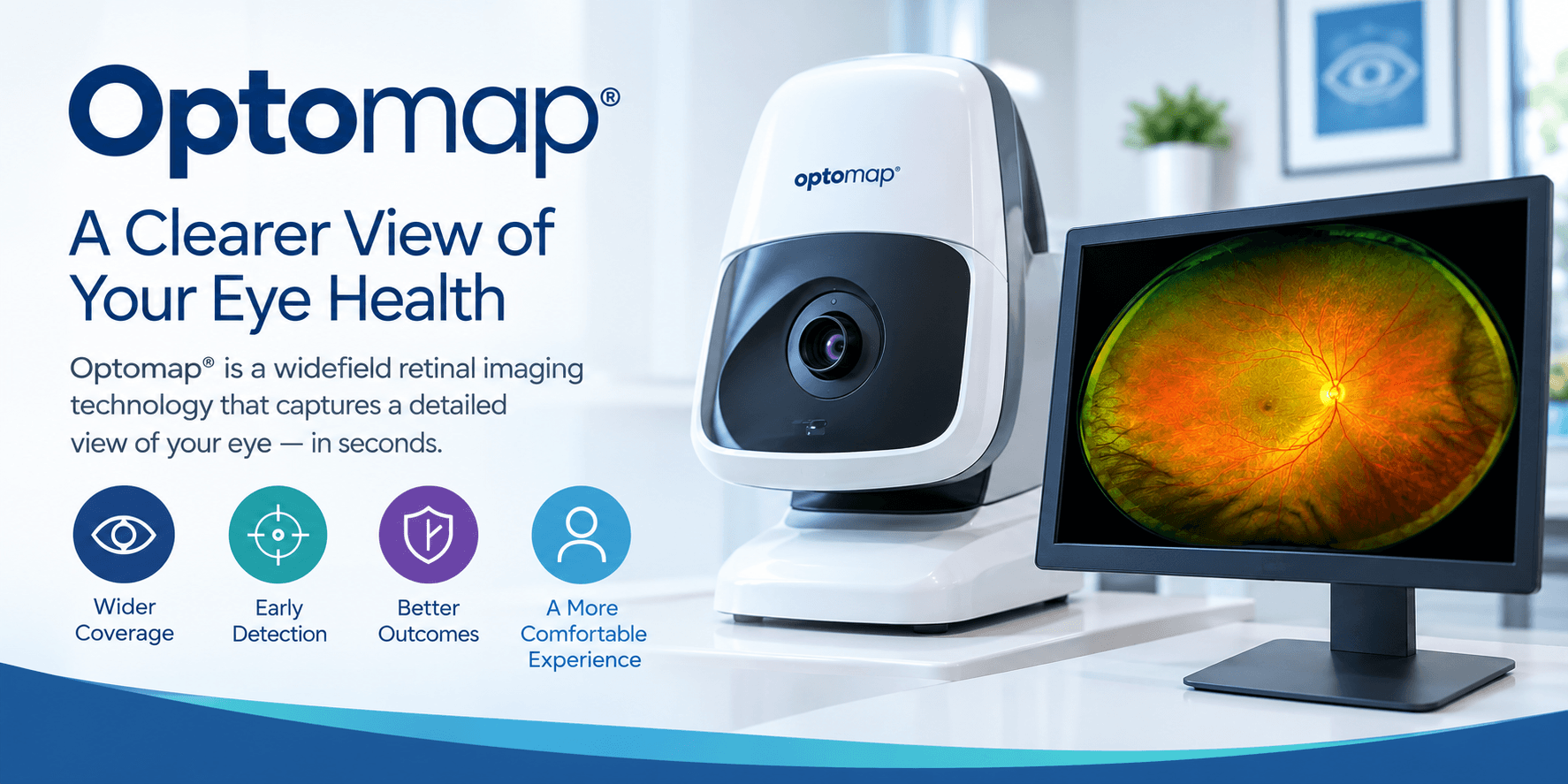
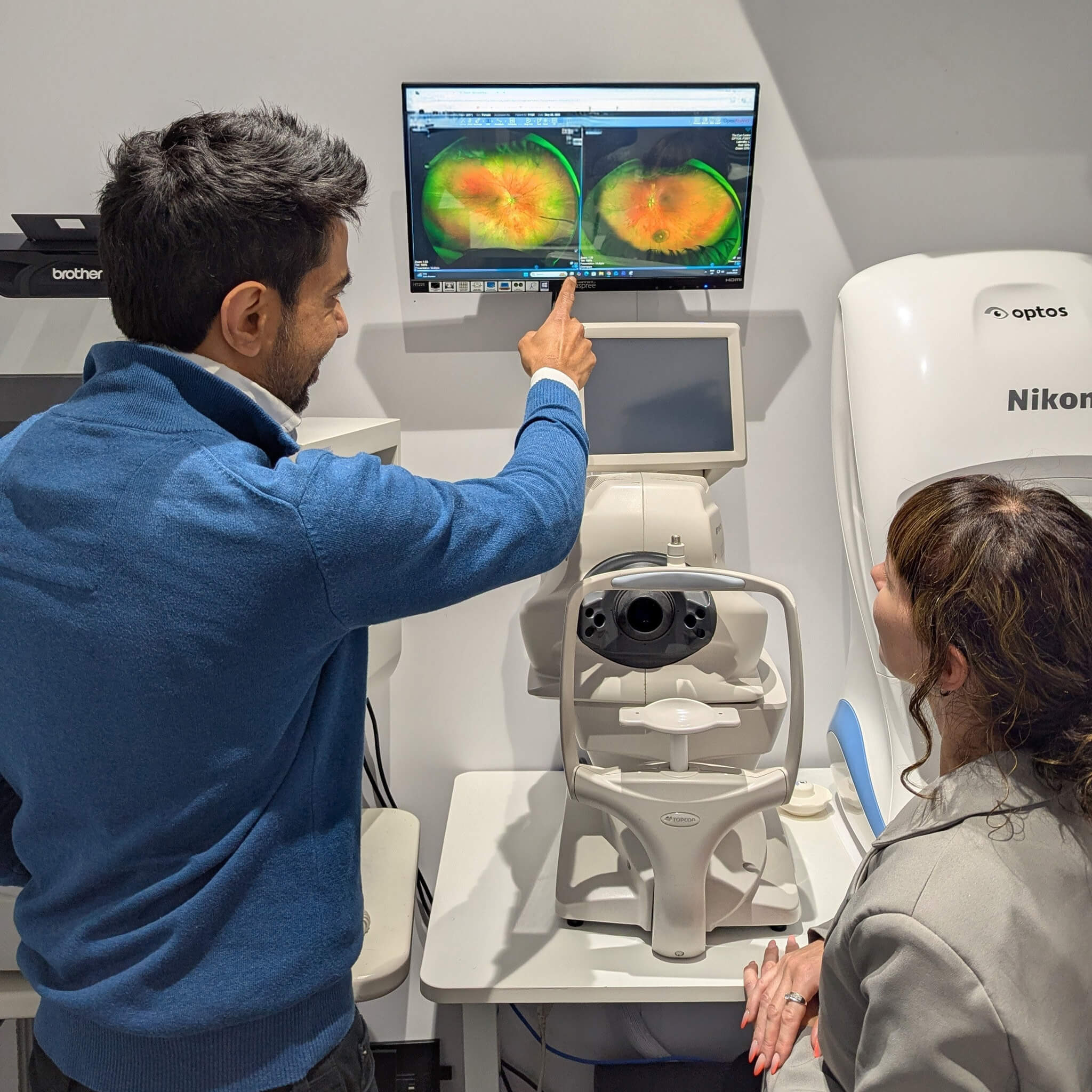
- Ultra-Widefield Imaging: For older children capable of using the machine, our Optomap scanner captures up to 80% of the retina in a single, non-invasive flash, providing a comprehensive baseline of their internal eye health.
- Myopia Management: If your child is becoming progressively short-sighted, simply giving them stronger glasses every year is no longer the standard of care. As a specialist myopia clinic, we utilise Ryjunea Atropine drops, EyeDream MC Ortho-K overnight lenses, Miyosmart myopia control spectacles and specialised axial length scanners to physically measure the growth of the eye and actively slow down their short-sightedness.
Book Your Child's Assessment
Whether you have concerns about your child’s visual development, or you have recently received a vision screening referral letter from your child's school, our clinical team is here to provide the expert, reassuring care your family deserves. Remember, eye tests and glasses are free for children under the NHS.
About the Author
Paras Kothari, MCOptom, Prof cert Glauc, DipTp(IP)
Paras is the lead clinician at The Eye Centre. Specialising in advanced clinical care and bespoke optical solutions, he provides premium eyewear and hospital-grade diagnostics to patients across South London and Surrey. He has over 10years experience working at Croydon University Hospital’s pediatric eye clinic.