4 minute read
The True Measure of Myopia: Why Axial Length Matters More Than Your Prescription
When a child becomes short-sighted, the traditional high-street approach is to simply issue a stronger pair of glasses each year. We call this “refraction management.” But to truly protect your child’s future vision, we must move beyond the prescription and focus on the physical growth of the eye.
At The Eye Centre in Croydon, our approach to Myopia Management is fundamentally different from standard opticians. We focus on a critical measurement that dictates the long-term health of the eye: the axial length.
What is Axial Length?
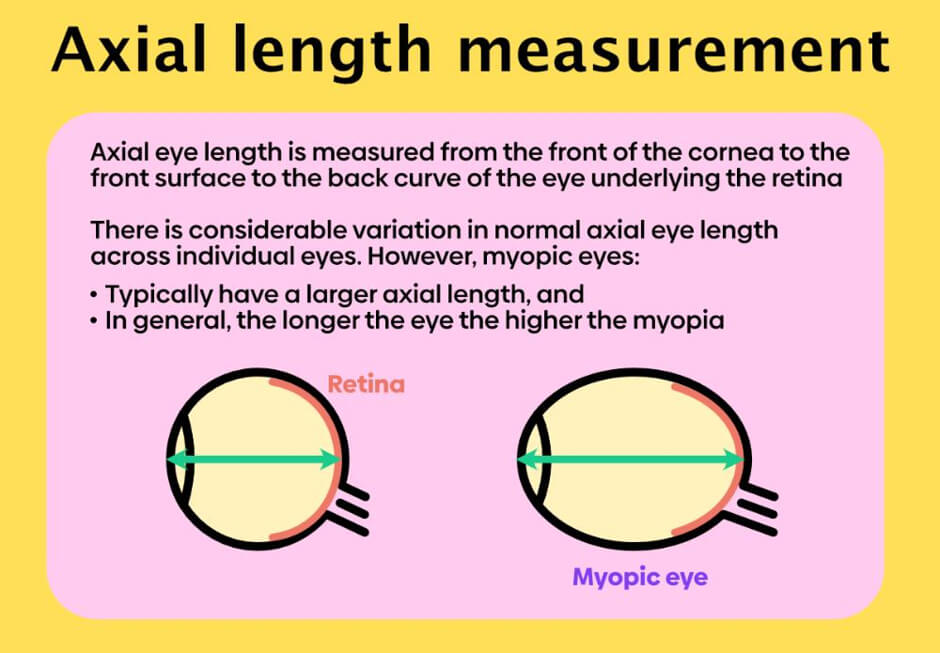
Put simply, axial eye length is the physical distance measured from the front of the cornea to the back curve of the eye, directly underlying the retina.
As a child grows, their eyes grow too. However, in myopic (short-sighted) children, the eye elongates too rapidly and stretches out of proportion. In general, the longer the eye grows, the higher the degree of myopia becomes.
The Danger Zone: Why We Must Keep Growth Under 26mm
There is considerable variation in normal axial eye length across individuals. A normal axial eye length sits between 23mm and 23.5mm (with males typically showing eyes about 0.5mm longer than females).
Clinical myopia tends to occur once the axial length extends over 24mm.
The primary goal of proactive Myopia Control is to slow down this physical eye growth as much as clinically possible. Specifically, our objective is to prevent the eye from reaching an axial length of 26mm. Once an eye elongates past the 26mm threshold, the delicate tissues at the back of the eye are stretched dangerously thin. This dramatically increases the risk of severe vision problems in adulthood, including myopic maculopathy and glaucoma.
Our Advanced Clinical Approach: The Topcon Myah
Because axial length is the truest indicator of myopia progression, we take precise axial length measurements as a mandatory part of our myopia management clinics—a level of Preventative Eye Care that most standard opticians do not provide.
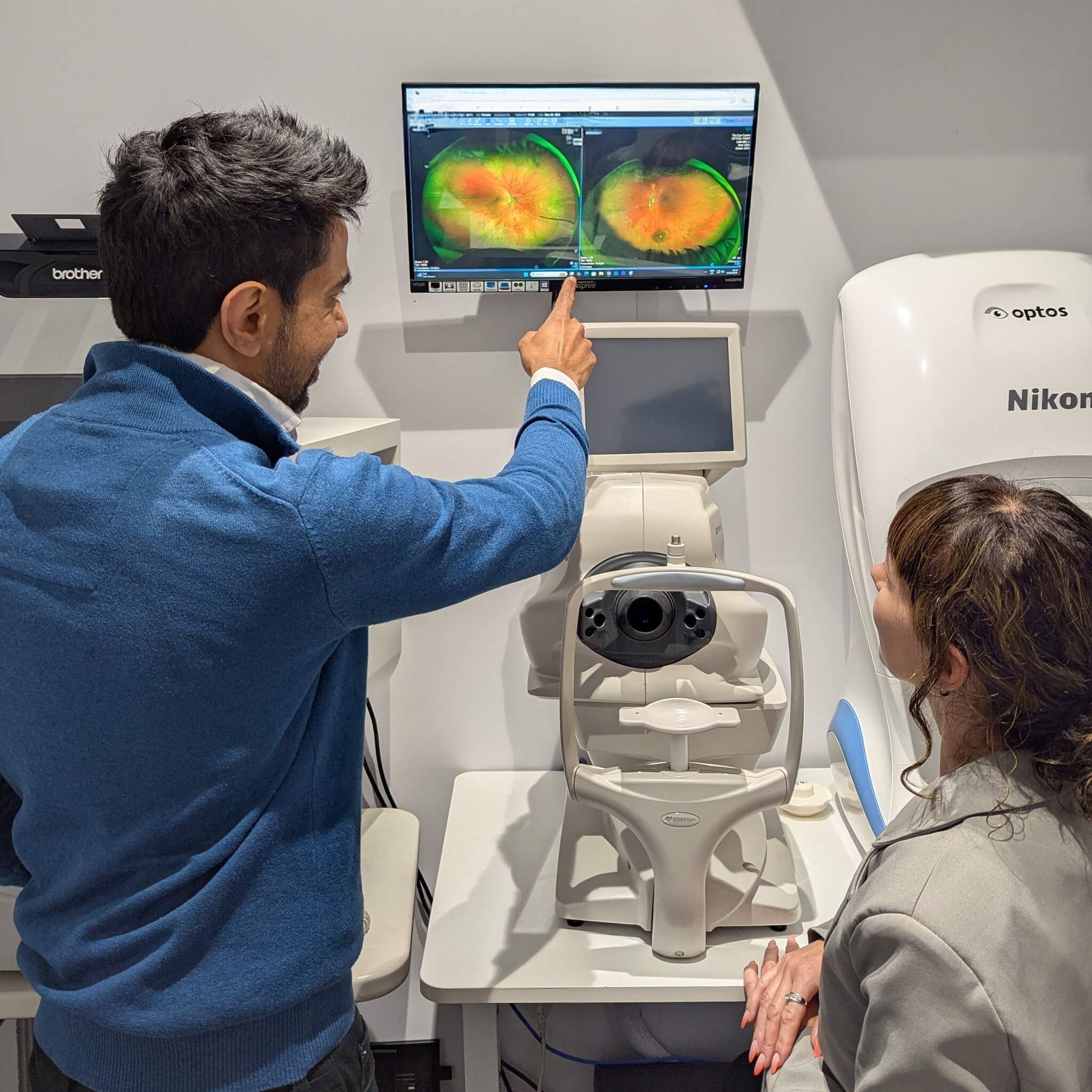
To deliver this exceptional standard of care, we have heavily invested in the Topcon Myah—a state-of-the-art diagnostic instrument specifically designed for myopia management. This advanced technology allows us to capture highly accurate axial length measurements in a matter of seconds.
As part of our comprehensive myopia management programme, we measure your child's axial length every 3 months. Tracking this precise data allows us to definitively confirm whether the chosen treatment is successfully slowing the eye's growth, or if we need to proactively adjust their treatment plan to better protect their vision.
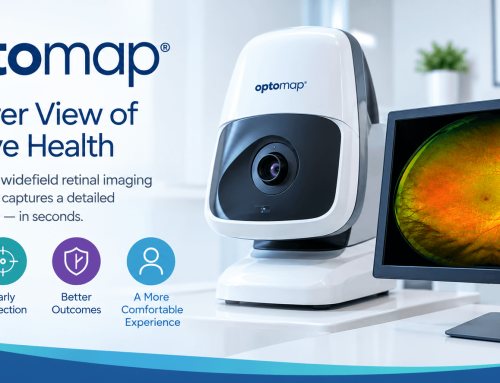
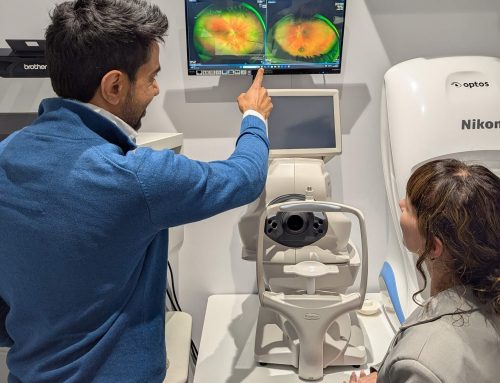
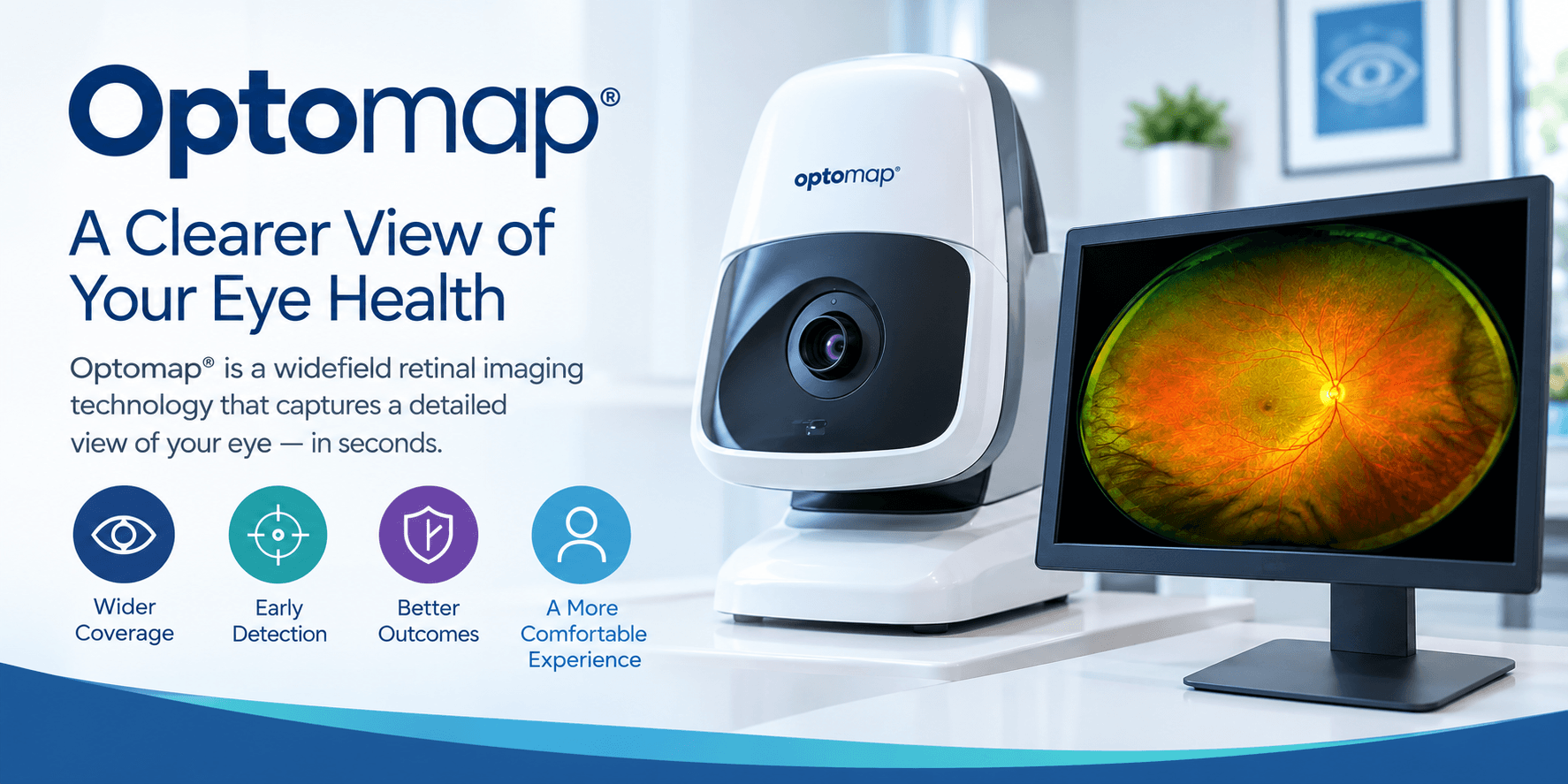
Furthermore, because elongating eyes are at a significantly higher risk for retinal damage, we routinely incorporate Optomap Ultra-Widefield Imaging into our assessments. While a standard eye test only sees a fraction of the back of the eye, our hospital-grade Optomap captures a 200-degree, high-resolution image of the retina. This allows us to meticulously check the stretched peripheral areas of myopic eyes for signs of retinal atrophy, subtle tears, or detachments.
Clinically Proven Treatment Options at The Eye Centre
Every child’s eyes are unique, which is why we offer a bespoke portfolio of interventions designed to slow axial elongation.
Specialist Spectacle Lenses For children who prefer glasses, we dispense highly advanced lenses that look just like normal spectacles but feature microscopic treatment zones to slow eye growth:
- Miyosmart Spectacle Lenses: Featuring award-winning D.I.M.S. technology, these lenses simultaneously correct vision while casting a treatment signal to the peripheral retina to halt elongation.
- Imperium Spectacle Lenses: Another brilliant, clinically proven lens design that manages myopia progression without compromising on visual clarity or cosmetic appearance.
Specialist Contact Lenses Contact lenses are fantastic for active children and provide a continuous treatment zone regardless of where the child looks:
- MiSight Soft Contact Lenses: The world’s first daily disposable contact lens clinically proven to slow the progression of myopia in children.
- Mylo Soft Contact Lenses: A highly breathable, monthly silicone hydrogel lens featuring Extended Depth of Focus (EDOF) technology, tailored specifically for myopia management.
Overnight Vision Correction
- Orthokeratology (Ortho-K EyeDream MC Design): A remarkable, non-surgical alternative to laser eye surgery. Your child wears these custom-designed lenses only while they sleep. The lenses gently reshape the cornea overnight, meaning they wake up with perfect 20/20 vision and do not need to wear glasses or daytime contact lenses at all.
The Future of Myopia Control & Medical Eye Care
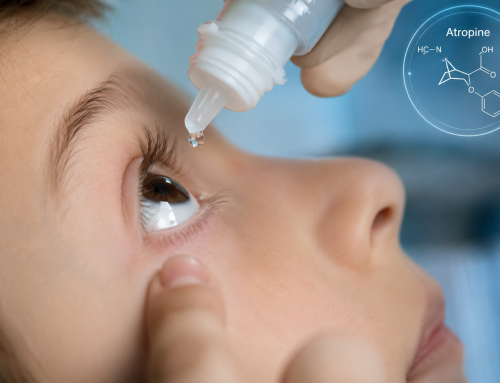
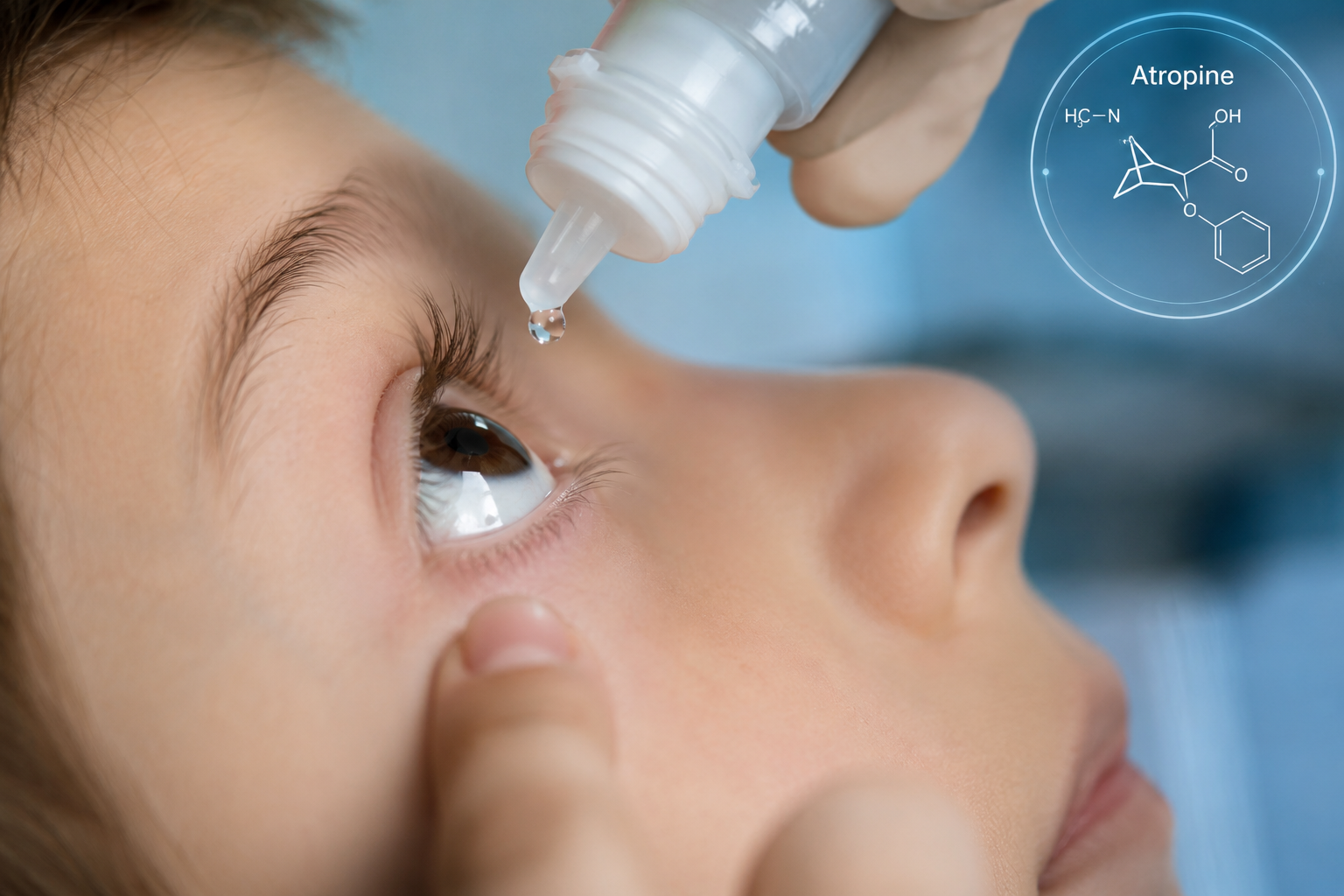
The field of myopia management is constantly evolving. Globally, pharmacological treatments like low-dose Atropine eye drops are showing incredible promise in slowing down axial growth.
This is where choosing an Independent Prescribing Optometrist becomes crucial for your child's care. Not all high-street opticians hold this advanced medical qualification. Because I am IP-qualified, I am licensed to write prescriptions for hospital-strength medications. Once pharmaceutical treatments like Atropine become fully licensed for myopia management in the UK, we will have the clinical authority to prescribe these medicines directly to your child right here in our Thornton Heath practice—ensuring they have immediate access to the latest medical interventions without waiting for hospital referrals.
About the Author
Paras Kothari, MCOptom, Prof cert Glauc, DipTp(IP)
Paras is an Independent Prescribing Optometrist and the lead clinician at The Eye Centre. Specialising in advanced clinical care, myopia management, and urgent eye care, he provides hospital-grade diagnostics to patients across South London and Surrey.